
Park Hill Neighborhood Guide11.04.2026
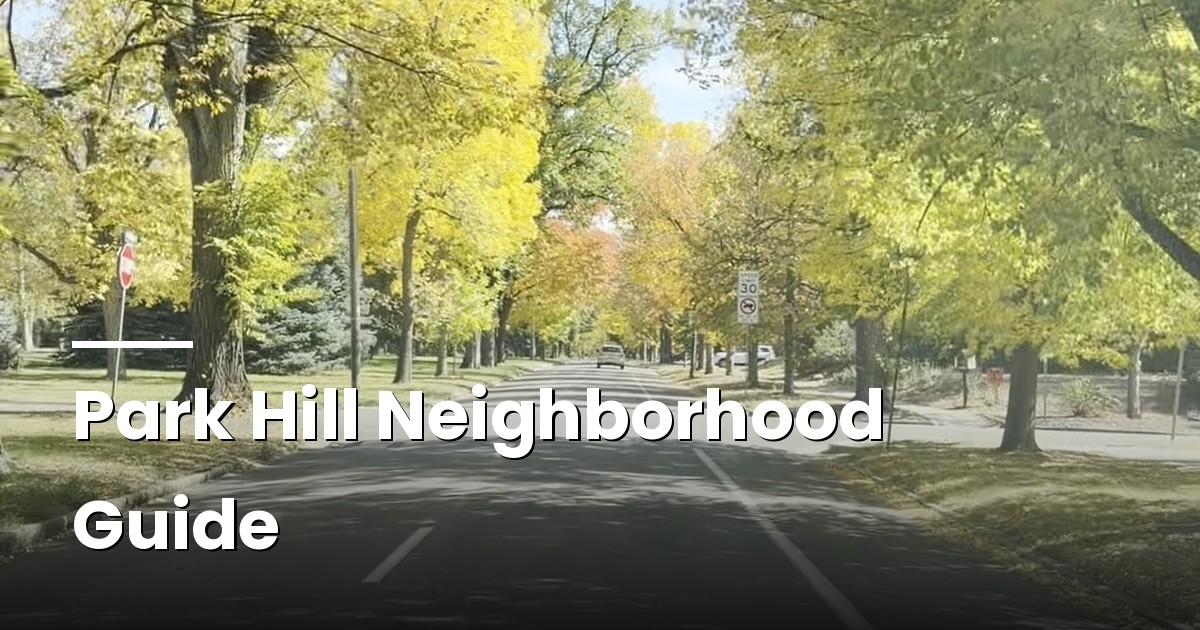
Thinking of calling Park Hill home? Great idea! I've collected some of the details you'll want to know before moving to [...]
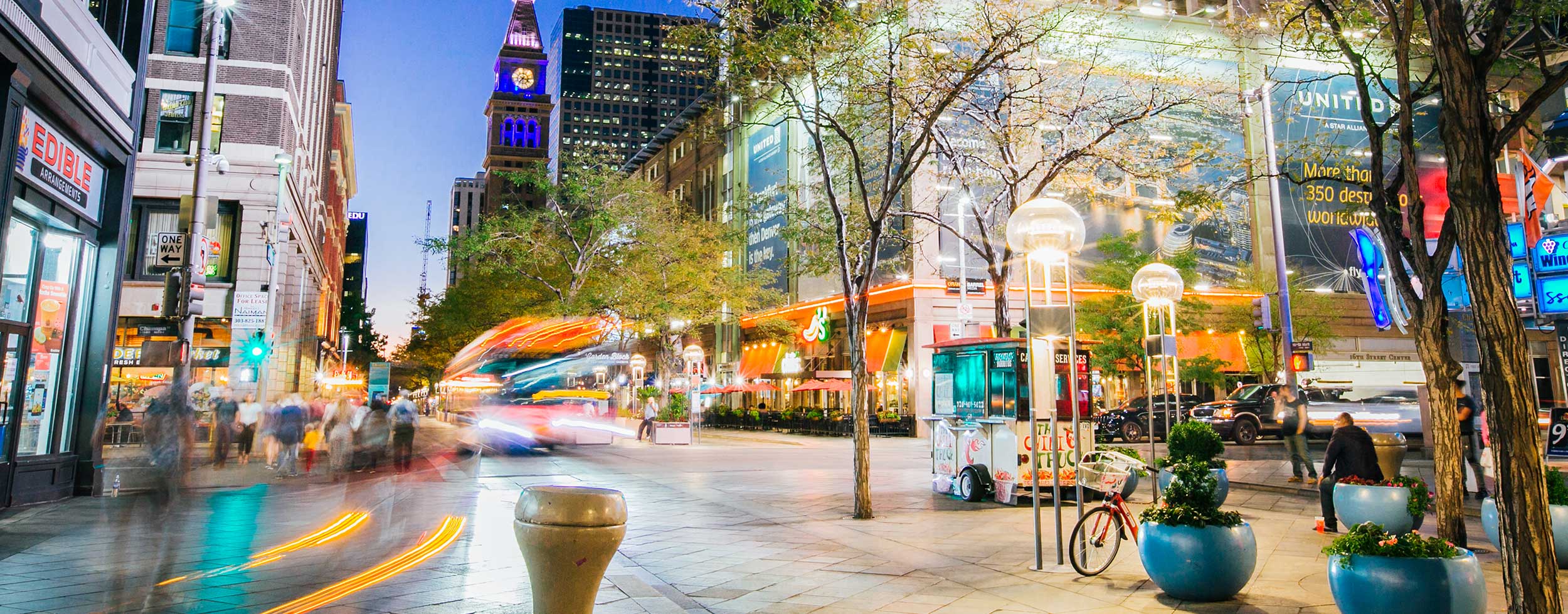 Four office towers in downtown Denver sold this spring for about $4.80 per square foot. Not $480 per square foot. Not even $48 per square foot!
1.8 million square feet of office space, scooped up by a Los Angeles investor for less than the cost of a latte per square foot. If you own a home anywhere in Denver, a headline like that can make your stomach drop. So let's separate what's actually happening downtown from what it means for your house.
The downtown Denver office vacancy rate hit 38.9% in the first quarter of 2026 — an all-time high. But it's really a tale of two downtowns. In upper downtown, near the Capitol, some blocks are more than 46% empty. Down in LoDo, vacancy sits closer to 20%. The buildings hurting most are the older ones — nearly half of the lowest-tier office space now sits dark.
Here's the part that matters for homeowners: offices and homes are two different markets. Offices emptied out because people stopped commuting to a desk. Nobody stopped needing a kitchen and a bedroom. While those towers were selling at fire-sale prices, the median Denver home price rose to $616,000 in June — up from a year earlier — and sellers are still getting about 99% of their asking price. Empty cubicles don't set the value of your house.
Now the interesting part. There are plans to turn those cheap towers into housing. The Denver Energy Center on Broadway is slated to become 386 apartments. High Fidelity Plaza is planned as another 700. And the city is putting real money behind it — the Downtown Denver Development Authority committed $63 million to one conversion this spring.
Studios in the converted buildings are expected to start around $1,700 a month, with a batch of units set aside as affordable housing. In a metro that's short more than 55,000 affordable units, empty towers becoming homes is a rare win-win.
But why should you care if you live in Park Hill or Congress Park? Because more people living downtown means fuller sidewalks, busier restaurants, and safer streets after dark. That energy tends to spill outward into nearby neighborhoods over time — and it supports the small businesses that make this city worth living in.
It won't happen overnight. Most conversion projects won't finish until at least 2027. But the direction matters more than the speed. The takeaway: downtown's office pain is real, but it's not your pain. If anything, the fix — turning dead office space into places people live — could make Denver's core stronger than it was before the pandemic.
 A buyer I talked with last month had been "waiting for rates to drop" for over a year. She'd watched the number tick between 6% and 7% so many times she'd started refreshing rate sites the way some people check the weather. In that year, the house she almost bought went up in value. Her rate never got meaningfully lower.
If you've been holding off on buying because you're waiting for rates to fall, it's worth looking at what's actually happening right now, and what the people who track this for a living expect next.
As of today, the average 30-year fixed mortgage rate sits around 6.4% to 6.7%, depending on the lender. That's come down from the 7%-plus rates buyers were facing in late 2023, but it's not expected to move much lower in the near term. Fannie Mae's latest forecast projects rates holding around 6.4% for the rest of this year. The Mortgage Bankers Association expects something similar, closer to 6.5% through the third and fourth quarters. A recent poll of housing economists found the consensus is rates aren't expected to fall meaningfully anytime soon — inflation is still running above the Fed's target, and the Fed has signaled it's in no hurry to cut rates further.
None of this means rates can't move. They could tick down half a point if the economy shifts, or up if inflation runs hotter than expected. But "wait for it to get better" has been the plan for a lot of buyers for over two years now, and the number has mostly just moved sideways in a fairly narrow band. Meanwhile, home prices in Denver haven't stood still. Waiting for the rate to improve while the price keeps climbing can end up costing more than just buying at today's rate on today's price.
There's a real strategy buried in this, and it's simpler than people expect: buy the house that fits your life and your budget now, and treat the rate as something you can revisit later. If rates do drop in a year or two, refinancing is always on the table — you're not locked into today's rate forever. But you are locked out of today's price if you wait and the market moves without you.
This doesn't mean rushing into a house that doesn't work for you, or stretching your budget to make a deal happen. It just means the rate alone probably shouldn't be the reason you're sitting on the sidelines. If you find the right house and the payment works for your life today, that's usually worth more than chasing a number that may not move much regardless.
If you've been waiting for rates and want to talk through whether it still makes sense to wait, or whether it's time to actually look, I'm happy to run the numbers with you. Let's connect!
 A seller in Congress Park sat on her house for six weeks with no offers before her agent suggested something other than dropping the price. Instead of cutting $10,000 off the list, she offered to fund a 2/1 buydown for the buyer. The house sold two weeks later, at full price.
If you've been house hunting lately, you've probably seen "seller offering 2/1 buydown" in a listing and moved past it without knowing what it meant. It's worth understanding, because it can genuinely change what a house costs you in the first two years — and it's one of the more useful negotiating tools in today's market.
Here's the mechanics. A 2/1 buydown temporarily lowers your interest rate for the first two years of your loan: 2 percentage points lower in year one, 1 point lower in year two, then it returns to your actual note rate in year three and stays there. Say your loan rate is 7%. In year one, you'd pay as if your rate were 5%. In year two, as if it were 6%. From year three onward, you pay the real 7% for the rest of the loan. Your rate on paper never actually changes — the seller (or sometimes the builder) deposits money into an escrow account at closing, and that money covers the difference between what you're paying and what the loan actually costs each month.
This is different from an adjustable-rate mortgage. Nothing here fluctuates with the market. It's a fixed-rate loan the whole way through — you just know exactly when and how much your payment will step up, instead of finding out later.
Where this gets useful is in negotiation. In a market where inventory is up and sellers are having a harder time getting their asking price, a buydown gives sellers a way to make a house more affordable without actually lowering the price on paper. On a $500,000 loan, funding a 2/1 buydown might cost the seller somewhere in the range of $10,000 to $13,000 — similar to what a price cut of that size would cost them, but structured differently. For the buyer, it means two years of real breathing room in the budget: money for movers, furniture, or just easing into a new mortgage payment instead of jumping straight into it.
It's important to note that you still have to qualify for the loan at the full note rate, not the reduced year-one rate — the buydown doesn't help you afford more house, just cushions the first two years. But it can help if you have current expenses (think college loan payments, daycare bills) that will be ending in the next year or two, but you don't want to wait that long to buy.
If you're weighing a buydown against asking for a straight price cut, or wondering whether it makes sense for a house you're looking at, that's worth a real conversation before you write an offer. Let's connect!
 A buyer I worked with last year had $18,000 saved and figured that ruled her out of the market entirely. She'd done the math on a $600,000 house, seen the $120,000 number for 20% down, and quietly stopped looking. Three months later, she closed on a house with 3% down.
That 20% number gets repeated so often that most people never question it. But it's not a rule. It's one option among several, and for a lot of buyers, it's not even the best one.
Conventional loans allow down payments as low as 3% for qualified first-time buyers. FHA loans, backed by the federal government, go down to 3.5%. VA loans, for eligible veterans and active-duty service members, and USDA loans, for certain rural and suburban areas, can go all the way to 0% down. The 20% figure only matters if you want to skip private mortgage insurance, which is a real cost, but it's a monthly fee, not a locked door. Plenty of buyers put down less, pay the insurance for a few years, and refinance it away once they've built equity.
Colorado also has real money on the table to help close the gap. CHFA, the state's housing finance authority, offers a down payment grant of up to $25,000 or 3% of your loan, whichever is less, and it doesn't have to be paid back. If you'd rather borrow the assistance, CHFA's second mortgage option goes up to $25,000 or 4%, with repayment deferred until you sell or refinance. If you're buying in Denver, Adams, Arapahoe, Douglas, or Jefferson County, the NeighborhoodLIFT program can add another $15,000 on top. Denver's own Department of Housing Stability runs a program offering up to 5% of your loan amount as a forgivable loan, as long as you stay in the home for three years. None of these are exotic or hard to find once you know to ask — they're just not the first thing most people hear about.
There's a real, sensible reason 20% still gets recommended: a bigger down payment means a smaller loan, a lower monthly payment, and no mortgage insurance. If you have it and it doesn't wipe out your savings, it's worth considering. But needing it, and it being the only path in, are two different things. I've watched buyers delay for years trying to hit 20%, watching prices climb the whole time, when a 3% or 5% down loan would have gotten them into a house years earlier with the same monthly payment they're paying in rent today.
If you've been sitting on the sidelines because you assumed you needed six figures saved up, it might be worth a conversation before you assume anything else. I'm happy to walk through your options. Let's connect!
 Most mornings, you'll find neighbors out walking their dogs on the old golf course paths. The course closed years ago, the land sat behind a fence for most of that time, and today it's just open — dog walkers, runners, neighbors cutting through on their way somewhere else. It's still bare bones. But it's theirs to walk on, and that's new.
If you live near the old Park Hill Golf Course, or you're thinking about buying in North or Northeast Park Hill, this matters more than it might seem. The park's future just got a lot more certain, and that changes what this land means for the neighborhood around it.
Last November, Denver voters approved the Vibrant Denver bond package, and with it, $70 million dedicated to building out Park Hill Park — the first phase of construction on the 155 acres that used to be the golf course. It's the largest single item in the parks portion of the bond, and once complete, this will be Denver's fourth-largest park. The land opened to the public informally last fall, but this funding is what turns "open field with paths" into an actual, designed park.
The design itself is still being worked out. City planners held an open house at Smith Elementary earlier this year to walk neighbors through a near-final framework for the space — before that, staff had spent months collecting close to 6,000 public comments on what people want here. Ideas on the table include event spaces, a playground, a pool, and art honoring the history of North Park Hill's Black community. Some of the finer details, like how many basketball or tennis courts to include, are still being worked out. But the shape of the park is largely set, and on-site construction is expected to start within the next two years.
For homeowners near the site, this is worth watching closely. A large, well-funded regional park tends to raise interest in the surrounding blocks — new buyers, new foot traffic, sometimes new businesses filling in nearby. That's mostly good news if you own here already. It's also something city planners are aware can push rents and prices up fast enough to squeeze out longtime residents, which is part of why officials have talked about property tax relief and land trust options for the immediate area. If you're a longtime owner near the park, it's worth knowing those conversations are happening, even if the details aren't finalized.
If you're house hunting in Park Hill right now, the park is a real reason to look closely at homes near the site. Proximity to a 155-acre park with $70 million behind it is the kind of thing that tends to matter more in five years than it does today.
If any of this has you thinking about buying near the park, or wondering what it might mean for your home's value if you already live close by, I'm happy to pull the numbers and walk through it with you. Let's connect!
 The first vendor stalls go up around 7am and by 8am, the savory smell of breakfast burritos fills the air. This is what you can expect every Saturday morning at the City Park Farmers Market, and it's going to be this way every week through the end of October.
If you live in City Park, Congress Park, or Park Hill, this market already shapes your weekends. If you're thinking about buying in one of these neighborhoods, it's worth knowing about too — because a market like this isn't just a nice amenity. It's part of what makes these blocks feel like a neighborhood instead of just a collection of houses.
The City Park Farmers Market runs Saturdays from 8am to 1pm, May through October 31st, with over 100 Colorado-based vendors setting up shop each week. You'll find produce, meat, cheese, bread, and prepared foods, along with a rotating cast of things you didn't expect — a run club, a donation-based yoga class on the lawn, live music most mornings. It's the kind of event where you go for eggs and leave two hours later having talked to three neighbors you hadn't seen since last fall.
For homeowners, markets like this do more than fill a Saturday. They bring foot traffic to nearby restaurants and shops, they give neighbors a reason to bump into each other, and they're often the thing new buyers mention when they explain why they picked a certain neighborhood.
This year, a few things are worth noting if you haven't been in a while. The market now welcomes SNAP and Double Up Food Bucks, which has brought in a wider mix of neighbors than in past seasons. Vendor turnout has grown too — more than a hundred food-focused vendors this year, up from previous seasons, which means shorter lines at some of the old favorites and a lot more to try if you're the type who likes to work the whole row before deciding what to buy. And if you're new to the market, it's run largely by volunteers, so if you end up loving it, there's a way to get more involved besides showing up with a tote bag.
For sellers, this is also a good reminder of something easy to overlook when you're prepping a listing: neighborhood life doesn't show up in square footage, but it shows up in showings. If your home is a short walk to the Esplanade, that's worth mentioning to your agent, and worth timing your open house around. A Saturday showing that ends with a stroll through the market tends to stick with buyers longer than one that doesn't. You're selling a lifestyle, not just a home.
If any of this has you thinking about what's next for your home — whether that's buying into a neighborhood with this kind of weekly rhythm, or figuring out what your place is worth if you're the one selling — I'm happy to pull the numbers and talk it through. Let's connect!
 The bandstand burned down early one morning in March. By noon, City Park Jazz had already announced their 40th anniversary season was happening anyway.
That response tells you everything you need to know about the longevity of City Park Jazz.
The original bandstand — built in 1929 — was destroyed in a fire around 2:30 a.m. on March 26. Denver Fire Department arrived to find it fully engulfed. It was a total loss. And yet by summer, 8,000 to 12,000 people were showing up on Sunday evenings to a mobile stage set up near Ferril Lake, spreading blankets on the grass like nothing had happened. Because for them, nothing had — the music was still there.
City Park Jazz runs 10 free Sunday concerts each summer, 6–8 p.m., from June 7 through August 9. It started in 1986 with a simple idea: bring great local musicians to the park and let the community gather. Forty years later, it's one of the most genuinely beloved traditions in Denver. No corporate sponsorship feel, no ticket lines, no VIP sections. Just people from Park Hill, City Park, Congress Park, Capitol Hill, and everywhere else laying out their gear on the grass and listening to whoever's playing.
This year's lineup covers more ground than the name suggests. Yes, there's jazz — but also blues, Latin rhythms, brass, and funk. Hazel Miller and the Collective headlines one Sunday (June 21), which alone is worth clearing your calendar for. The Brass Band Extravaganza on July 5 brings the Bourbon Brass Band and Badda Boom Brass Band together on the same stage. Conjunto Colores with Rasta Salsa lands on July 19. The full season runs through August 9 with Jakarta closing it out.
For anyone who lives near City Park — or is thinking about it — this is the kind of thing that shows up in your weekly rhythm in a way that's hard to quantify but easy to feel. You start planning your Sundays around it. Your neighbors become familiar faces. The kids who outgrow the grass-rolling phase graduate to actually listening to the music.
The extra wrinkle this year is that replacing the bandstand setup for the season is costing City Park Jazz an estimated $30,000 to $40,000 more than a normal year. The organization is a volunteer-run nonprofit — they're not a city division, and they don't have a budget cushion built for this. If you go this summer and love it, their donation page is at cityparkjazz.org. Even $20 helps cover the gap.
Free parking is available at the Denver Zoo and Denver Museum of Nature & Science lots. Bring a blanket or chairs, no glass bottles. If you want to bike, there's a free corral with a claim ticket system.
The bandstand will eventually be rebuilt. The season is already underway. And every Sunday through August 9, City Park is exactly what it's always been — a place where the neighborhood shows up.
If you're curious what home values look like near City Park right now, I'm happy to pull some current numbers. Let's connect!
 The folding chairs go out early on E. 23rd Avenue. Neighbors who have lived on the parade route for decades know this — they're out there before 10am staking their spot, coolers already packed, kids in matching red, white, and blue. If you've never been to the Park Hill 4th of July Parade, you're missing one of the best things Denver does all summer.
And if you have been, you already know it fills up fast.
The parade kicks off at 1:30pm on Saturday, July 4th, running along E. 23rd Avenue from Dexter Street to Krameria Street. It's Denver's largest Independence Day march, drawing floats, marching bands, costumed performers, and classic cars through the heart of one of the city's oldest and most storied neighborhoods. The whole thing has the feel of a block party that got gloriously out of hand — in the best way.
Park Hill has been throwing this parade for decades. What makes it different from other 4th of July events around the metro isn't just the size. It's the neighborhood. Park Hill has a genuine sense of history — the kind that comes through in the banners, the faces of longtime residents watching from their front yards, and the mix of old-timers and newcomers lining the curb side by side. This is the kind of event that reminds you why people want to live here.
A few practical things worth knowing before you go. Parking fills up well in advance of the 1:30 start time, so plan on arriving at least an hour early and expect to walk a few blocks. There's no single "best" spot on the route — find shade if you can, and bring something to sit on. The parade draws a huge crowd, especially in the blocks near Dexter. Sunscreen, water, and snacks are worth the effort of hauling them.
After the parade, the neighborhood doesn't exactly quiet down. 23rd Avenue and the surrounding streets have solid options for food and drinks.
This is the kind of Denver summer day worth planning around. Whether you've lived in Park Hill for twenty years or you're curious about the neighborhood for the first time, the parade is a great reason to show up, plant your chair on the curb, and see what all the fuss is about.
If the 4th of July has you thinking about what it would be like to live on this route year-round, I'm happy to pull what's active in Park Hill right now and give you a real picture of the market. Reach out to me at madison@corcoranperry.com or drop a comment below.
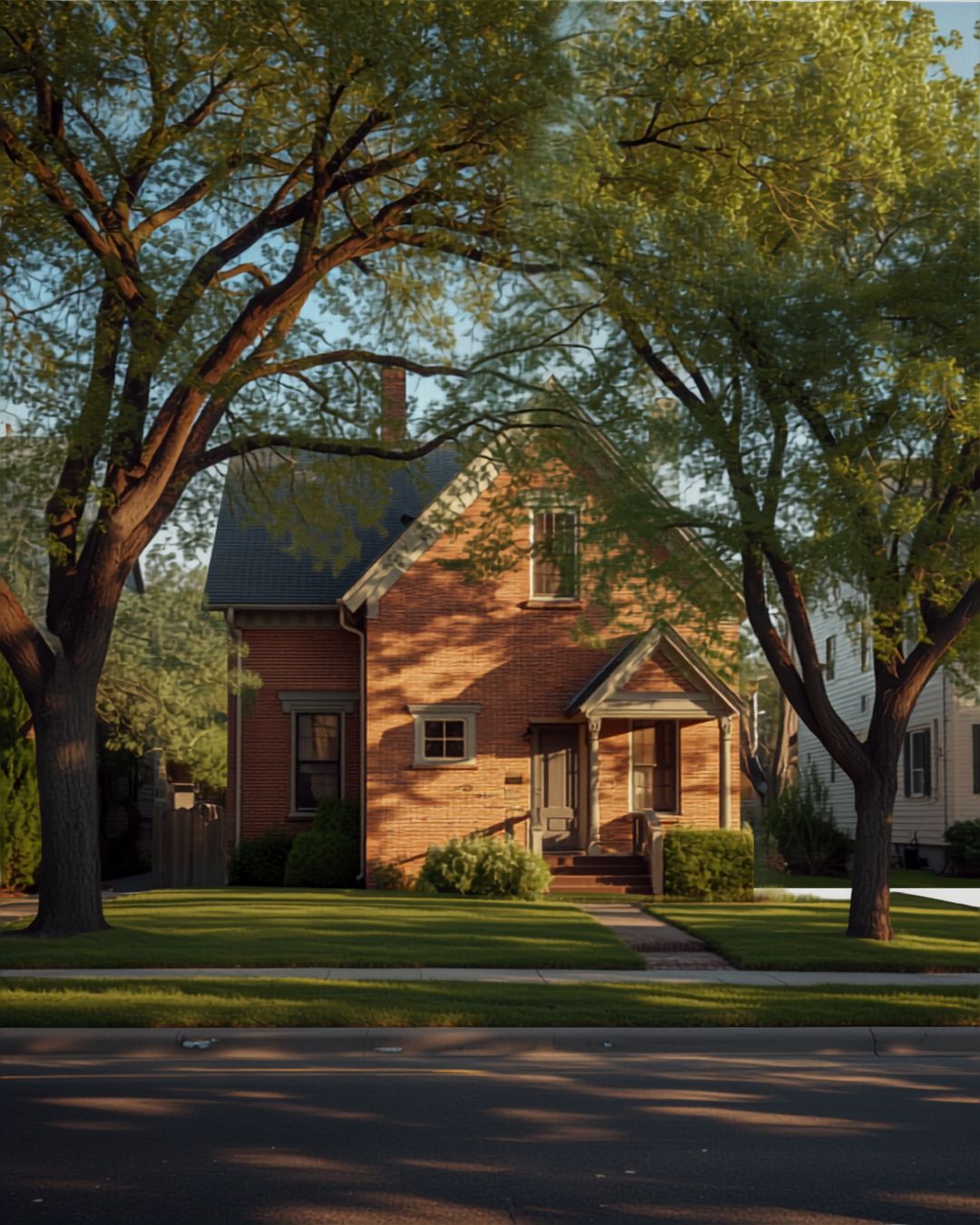 The bill showed up in the mailbox sometime this spring. Maybe you set it aside for a day or two before opening it. When you finally did, the number was higher than you expected — maybe a lot higher.
You're not imagining it, and you're not alone.
Denver homeowners across the metro have been opening their 2026 property tax bills to increases in the range of 20% to 40% compared to recent years. For a home valued around $600,000, that can translate to an extra $1,200 to $2,400 per year. It's real money, and it deserves a real explanation.
The short version: the temporary cushions are gone. In 2023 and 2024, Colorado lawmakers passed measures to offset the shock of rapidly rising home values — temporary reductions in assessment rates and a $55,000 deduction applied to every residential property's taxable value. Those programs have now expired.
At the same time, a new state law took effect that created two separate assessment rates for residential property: one for local government funding and one for school districts. The school district rate for 2026 is 7.05%. The local government rate is 6.25%, with a 10% value exclusion capped at $70,000. It's more complicated than it used to be, and the combination adds up.
The City and County of Denver held its mill levy flat — meaning the city itself didn't raise its rate. The increases you're seeing are largely the result of those state-level changes, not a decision your city council made.
Your 2026 tax bill is based on your home's assessed value as of June 30, 2024 — not what your home is worth today. That matters, because the Denver metro market has softened since then. Inventory has climbed, days on market have stretched, and price reductions are more common than they were two years ago. If your home's assessed value was locked in during a market peak, there's a real chance it no longer reflects what you'd actually sell for.
The appeal window for the 2026 cycle was May 1 through June 1. If you missed it, the next opportunity at the assessor level won't come until 2027. You can still appeal to the county Board of Equalization through July — it's a more formal process, but it's worth looking into if your assessed value seems genuinely out of step with current sales in your neighborhood.
Colorado's Property Tax Deferral Program lets qualifying homeowners push back their payments with a low-interest loan from the state treasury — particularly useful if you're on a fixed income or just need breathing room.
If you're 65 or older and have lived in your home for at least 10 years, the Senior Homestead Exemption can exempt 50% of the first $200,000 of your home's value from taxation. Veterans with qualifying disabilities have access to similar relief. These programs don't advertise themselves — you have to apply.
One more practical note if you're buying or refinancing: many online mortgage calculators are still using outdated tax estimates. Ask your lender to run the numbers using 2026 rates, not last year's. The difference in your monthly payment can be meaningful.
If your bill felt like a gut punch, it's not your imagination. The relief measures that softened things for the past two years were always temporary. What you're seeing now is closer to the actual cost of owning property in Denver at current market values — and for many homeowners, that's a real adjustment.
If you're not sure what your home is actually worth right now, or if any of this has you thinking about your options, I'm happy to pull current comps and have a straightforward conversation. You can reach me at madison@corcoranperry.com, or follow along on Instagram @madisonspanglerhomes, where I post regular updates on the Denver market.
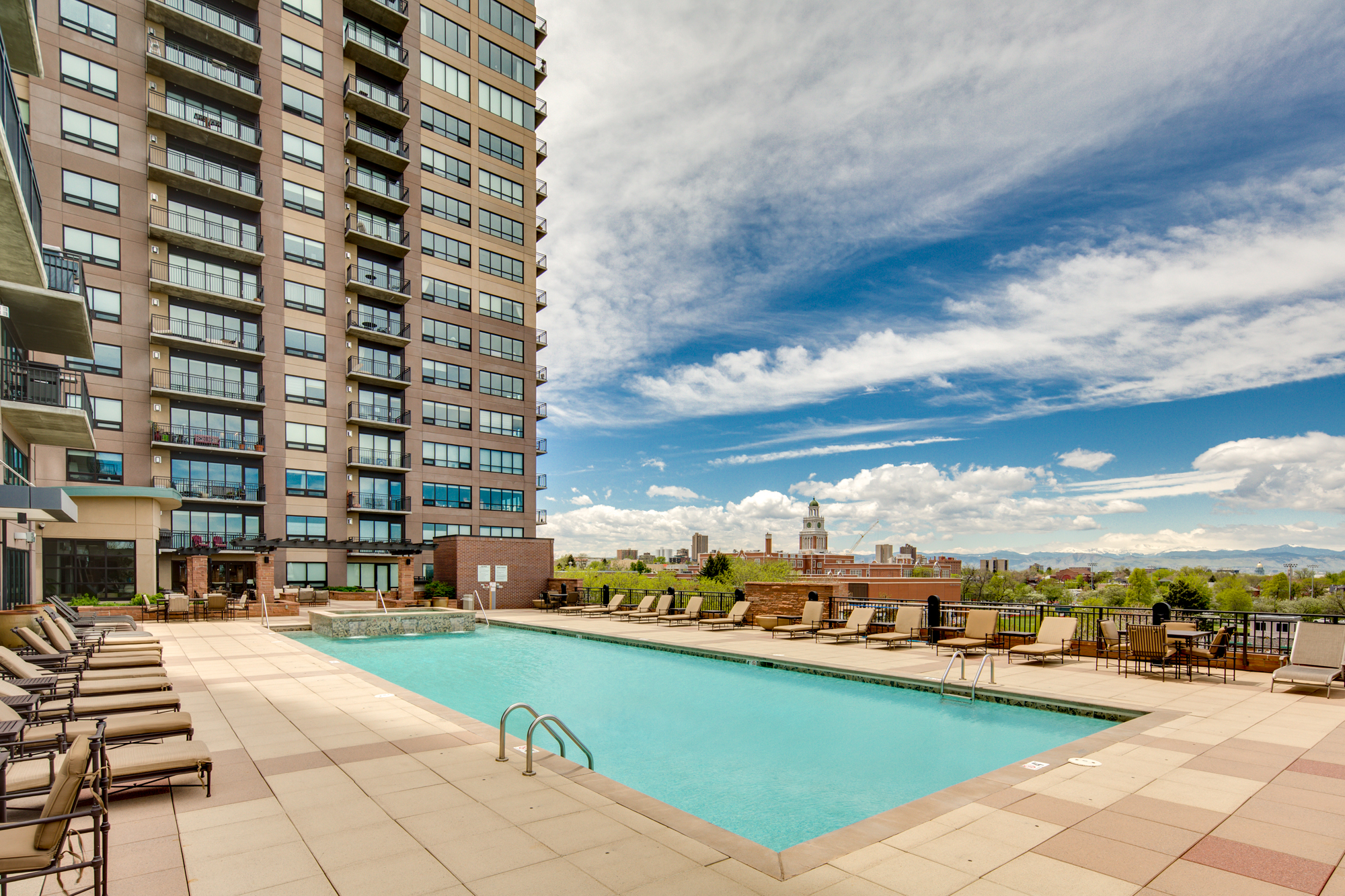 The listing price looked right. The unit was updated and well-located. Then the buyer scrolled to the bottom of the page and saw the HOA fee: $585 a month.
That number doesn't disappear after closing. It gets added to your monthly budget, factored into your debt-to-income ratio, and paid every single month.
HOA fees in the Denver metro have climbed sharply over the last several years, and in 2026, they're one of the most underestimated costs buyers face. For condos and townhomes in particular, the increases have been significant. One local market report put the average increase at 37% since 2020. Some Denver condo owners have seen their monthly dues nearly double — from around $300 to over $600 — in just a few years.
Three things are driving this. First, insurance. Colorado has seen dramatic increases in premiums due to hailstorms, wildfire exposure, and rising construction costs. When a condo HOA insures the entire building, those costs get passed directly to owners through monthly dues and, sometimes, through special assessments when coverage gaps show up. Second, deferred maintenance. Many Denver condo buildings were constructed in the 60s and 70s. Roofs, plumbing stacks, elevators, and parking structures eventually need replacing — and when HOA reserve funds haven't kept up, owners get the bill. Third, inflation. Landscaping, snow removal, and general maintenance cost more across the board.
Here's the part buyers often miss: HOA fees count against you when a lender calculates how much you can borrow. A significant HOA fee can push your debt-to-income ratio past what most loan programs allow — which means you qualify for less house than you think.
Before you fall in love with a unit, learn about the HOA, specifically the Reserve Study — it tells you how funded the HOA is and how much life is left in the building's major systems. An HOA that's less than 70% funded on reserves might be a yellow flag. It means the association is behind on saving for future repairs, and a special assessment — a one-time charge to all owners — could be coming.
Not all HOAs are created equal, and not all attached housing in Denver comes with high fees. Many older neighborhoods — Congress Park, Park Hill, the Highlands, Washington Park — were built before master-planned HOA structures were common. Some older buildings in these areas carry lower fees because they're simpler operations. Others carry higher fees because they're older and the maintenance needs are real.
The math is worth doing before you write the offer. If any of this has you thinking about what's right for your situation, I'm happy to talk through the numbers. Let's connect!














Socials