
Park Hill Neighborhood Guide11.04.2026

Thinking of calling Park Hill home? Great idea! I've collected some of the details you'll want to know before moving to [...]
 The short answer
Waymo began giving rides in Denver in July, but not to the general public yet — only to its own employees. The company has been testing routes with a safety driver on board for months, and it says driverless rides for everyday Denverites are coming “later this year.” So the cars you're seeing right now are mapping streets, gathering data, and quietly proving themselves before the doors open to the rest of us.
The vehicle itself is worth a second look. Waymo calls it the Ojai, and it's not the boxy Jaguar I-PACE you might picture if you've ridden in one in San Francisco or Phoenix. It's a minivan-style ride built on a Zeekr electric platform from the Chinese automaker Geely, running Waymo's sixth-generation self-driving system, which the company designed with cold-weather performance in mind — a detail that matters more here than in most of Waymo's other cities.
Waymo announced the Denver expansion back in December 2025, and Colorado turned out to be a fairly welcoming place to land it. A 2017 state law already treats autonomous vehicles as legal as long as they follow the same rules of the road as everyone else, and it keeps individual cities and counties from tacking on extra restrictions. Governor Jared Polis has been an outspoken supporter, framing it as a road-safety play more than a novelty. “The single largest cause of crashes is driver distraction,” he's said, arguing that pulling distracted humans out of the equation is worth pursuing even as the technology matures. Waymo has also been meeting with local groups, including the Colorado Center for the Blind, AAA Colorado, and the Denver Public Schools Foundation, as it builds out the service.
Denver is joining a fairly established club. Waymo now operates in roughly a dozen cities, delivering something like 500,000 rides a week combined, with typical local fleets running 300 to 600 vehicles (San Francisco's is bigger, north of 800). Adoption has looked very different city to city — in Austin, Waymo reportedly captured something like 20% of Uber-style trips within weeks of launching, while in Los Angeles, uptake has been much slower, with only around 5% of residents having tried an autonomous ride in a year. Which of those Denver ends up resembling is still an open question.
This is the one every Denverite asks first. The fleet learns collectively, so snow driving lessons picked up in Minneapolis or icy mornings elsewhere feed back into every car in the network, Denver's included. The company has released footage of its vehicles handling snow-covered roads in other markets as a preview of what it expects to bring here. Plenty of residents remain skeptical until they see it handle a real Front Range snowstorm in person, and that's a fair place to reserve judgment.
Denver's taxi companies have pushed back publicly against the rollout, and they're not alone in raising concerns. Nationally, Waymo has logged around 1,700 crashes since 2021, including 157 with injuries and two fatalities, though the company says none were caused by its vehicles. A recall earlier this year addressed a software issue that let some cars drive into standing water. Public sentiment is mixed, too: one USC study found nearly 40% of people say they're uneasy about riding in an autonomous vehicle at all, even though roughly 70% of people who've actually used Waymo say they prefer it to a human driver once they try it. That gap between fear and experience is likely to shape how quickly Denver warms up to the idea.
For now, this is still a slow, deliberate rollout rather than a citywide launch. If you're in or near RiNo, Baker, or Cherry Creek, keep an eye out — you're in the test zone. For everyone else, the bigger moment comes later this year, when Waymo says it will open rides to the public and start expanding beyond those first three neighborhoods, eventually reaching toward the airport. Whether Denver ends up looking more like Austin's fast adoption or LA's slow build will say a lot about how this city takes to sharing its streets with a driverless fleet.
 This week, the average 30-year mortgage rate ticked down to 6.88%, a 16-basis-point drop from 7.04% the week before. If you're thinking about selling in Denver and holding out for rates to fall further before you list, this is worth reading first.
A small rate drop feels like good news, and it is. But it's not the kind of shift that changes the fundamentals of today's Denver market. Understanding why matters if you're deciding when to put your home up for sale.
Here's the bigger picture. The Federal Reserve just held its benchmark rate steady at 3.5% to 3.75%, and three voting members actually pushed for a rate hike instead of a cut. That's a signal the Fed isn't confident inflation is fully under control, which makes a big rate drop later this year less likely. Fannie Mae and the Mortgage Bankers Association both expect rates to settle somewhere between 6.2% and 6.5% through the end of 2026. That's close to where we already are. The mid-6s to low-7s range looks like it's here to stay for a while, not a temporary stop on the way to something lower.
Meanwhile, Denver's own numbers tell sellers something important. Active inventory is near a 10-year high right now. That means buyers have more homes to choose from than they've had in a decade, and they're using that leverage. The market is basically in equilibrium, with prices holding close to flat rather than climbing. A 16-basis-point rate dip gives buyers a small boost in what they can afford, but it doesn't erase months of buyers having the upper hand in negotiations.
This is where pricing strategy comes in. Overpriced listings are sitting on the market right now, and every price cut that comes later costs more in how buyers perceive the home than pricing it accurately from day one. Buyers notice a stale listing. They start to wonder what's wrong with it, even if nothing actually is. A home priced right the first time, even in a rate environment like this one, moves faster and attracts more serious offers than a home that gets marked down twice.
So if you've been waiting for rates to drop before listing your Denver home, the math doesn't really support that plan right now. Rates aren't expected to move much lower this year, and every month you wait is another month of inventory building up for buyers to compare your home against. The sellers doing well in this market aren't the ones timing the rate news. They're the ones pricing accurately from the start and adjusting their expectations to match what buyers are actually willing to pay today.
None of this means you have to rush a decision you're not ready for. But if the plan was "wait for rates to drop, then list," it's worth rethinking that timeline against what the data is actually showing.
If you're weighing whether now is the right time to list, I'm happy to walk through your specific numbers with you. No pressure, just a real conversation about what makes sense for your home.
 This month, the National Association of Realtors reported that home prices climbed in 80% of the country's metro areas last quarter. The West was the only region that didn't follow. Prices there fell 0.8%.
Denver technically sits in that region. But if you've been watching Denver home prices specifically, you know local prices actually kept climbing here, up about 2.5% over the past year. That gap between the regional headline and what's happening on your own street is worth understanding, especially if you're deciding whether to sell.
Here's what the national numbers actually show. The median price for an existing single-family home hit $434,900 in the second quarter, up 1.5% from a year ago. That's better than the 0.5% growth seen in the first quarter of the year, and it means more of the country is heating up rather than cooling down. The Northeast led the way at 3.8% growth, followed by the Midwest at 3.6%. The South grew a more modest 1.0%. Then there's the West, the one region that lost ground.
The West region in this report covers a huge stretch of the country, from California to Washington to Colorado. States like California and Oregon have some of the most expensive markets in the nation, and when those expensive markets cool even slightly, they can pull the whole region's average down. Denver, sitting inland with a different set of buyers and a different price range, doesn't always move the same direction as the coast. That's exactly what happened this quarter. The region as a whole slipped, but Denver home prices kept edging up.
This matters because it's easy to read a headline like "Western home prices fall" and assume your own home lost value. It didn't, at least not based on the data we're seeing locally. National and regional reports are built from averages across hundreds of cities, and they can hide what's actually happening two blocks from your front door. If you want to know what your home is really worth, a regional statistic isn't going to tell you. A look at recent sales in your specific neighborhood will.
There's a second piece of this report worth knowing if you're a buyer. Even with prices rising nationally, monthly mortgage payments on a typical home reached $2,199, up $219 from the prior quarter. That sounds discouraging, but income has been growing faster than prices in most places, so the average share of income going toward a mortgage payment actually dropped to 23.8%, down from 25.5% a year ago. Prices are up, but for a lot of buyers, affordability is quietly getting a little easier, not harder.
So where does that leave a Denver homeowner? Ignore the regional headline and look at your own numbers. Denver home prices have held up better than the broader West this quarter, inventory is near decade highs, and buyers have more room to negotiate than they did a few years ago. That's a very different picture than "the West is falling," even though both statements are technically true at the same time.
If you're curious what any of this means for your specific address, I'm happy to pull the real numbers for your block instead of a regional average.
 I love the east side of Denver. The historical architecture, the proximity to downtown and the airport, the access to parks. But East Denver neighborhoods are not simply interchangeable.
Each neighborhood has its own feel, price point, and reason people fall for it. When clients ask me about the best Denver neighborhoods for their situation, these are the five I get asked about most: Park Hill, Congress Park, Mayfair/Hale, and City Park.
Park Hill sits in northeast Denver, bounded by Colorado Boulevard, East Colfax, Quebec Street, and East 52nd Avenue. It splits into South, North, and Northeast sections, each with a different feel and price range. You'll find Denver Squares, Tudor Revivals, and bungalows along tree-lined streets, with Montview Boulevard standing out for its grand, formal lots. The neighborhood is minutes from City Park and the former Park Hill Golf Course, which is now a 155-acre city park with trails and open space still taking shape. Families with elementary or high school aged students are assigned to neighborhood schools based on location, while middle school students are assigned to one of many schools within their enrollment zone.
Congress Park borders Cheesman Park and sits just south of City Park, which makes it one of the most walkable spots on this list. Expect brick bungalows and Denver Squares built in the early 1900s, tree canopy that shades entire blocks in summer, and easy access to the Denver Botanic Gardens. It's a neighborhood that draws people who want a short walk to a park and a coffee shop over a big yard.
Hale/Mayfair is smaller and less talked about, which is part of its appeal. It sits between Congress Park and Montclair, anchored by Rose Medical Center on East 9th Avenue. The neighborhood mixes older homes with newer infill construction, and it's an easy walk to the shops, restaurants, and movie theater at 9th and Colorado. If you want central Denver access without Congress Park's price tag, Hale is worth a look.
City Park wraps around the south and west sides of the park of the same name, home to the Denver Zoo and the Denver Museum of Nature & Science. The housing here leans historic, Tudors and Denver Squares mostly, and residents get front-row access to summer events like Jazz in the Park.
Denver's broader market context matters here too. Metro-wide inventory is near decade highs right now, and the average sale price sits around $640,000, up about 2.5% year over year. That means buyers have more room to compare these neighborhoods side by side instead of rushing a decision, which wasn't always true a few years ago.
If you're trying to figure out which of these fits your life, and not just your budget, I'm happy to walk a few of them with you!
 In Colorado, the inspection objection deadline is the date by which you need to have all repairs or inspection concessions presented to the seller.
That single deadline trips up more first-time buyers in Denver than almost anything else in the process. It's also just one of several mistakes that are easy to make and expensive to fix, especially in a market that's shifted a lot over the past year.
The first mistake is skipping specialized inspections to save money. A sewer scope can cost a couple hundred dollars. Skipping it can feel like an easy way to trim costs, but in older Denver neighborhoods with clay or cast iron sewer lines, a cracked pipe can cost thousands to repair once you're the owner. The general home inspection doesn't cover what's underground. Budget for the sewer scope. It's cheap insurance against a five-figure surprise.
The second mistake is bad timing. That inspection window moves fast, and it includes scheduling a general inspector, a sewer scope, and sometimes a radon test or structural specialist. Buyers who wait even a few days to book these appointments can run out of time to review results and write an objection letter before the deadline hits. There's also a second deadline that catches people off guard: the resolution deadline, which usually lands one to three days after the objection deadline. That's the point where you and the seller agree on repairs or credits, or the deal can fall apart. Missing either date can mean losing your leverage or your earnest money.
The third mistake is asking for too much. When your objection letter reads like a wish list, sellers push back, and negotiations stall. Focus on safety issues, major systems, and anything that affects the home's structure. Cosmetic items are rarely worth spending your negotiating power on.
The fourth mistake is skipping the inspection appointment itself. It's easy to let the inspector work alone and just read the report later. But walking through the home with them means you hear the context behind each finding. A written report might flag "moisture in the crawl space," while the inspector standing next to you can tell you whether that's a five-minute fix or a sign of a bigger issue.
Here's the part that's actually working in first-time buyers' favor right now: Denver metro inventory is near decade highs, which means more homes to choose from and more room to negotiate. Mortgage rates have eased to around 6.88%, down from 7.04% a few weeks ago, and most forecasts expect rates to settle between 6.2% and 6.5% for the rest of this year. That's a real shift from the bidding-war conditions of a few years ago, when buyers felt pressure to waive inspections entirely just to compete. You don't have to do that here. Taking your time, ordering the right inspections, and negotiating carefully are all realistic options in today's market.
Buying your first home in Denver comes with a learning curve, and most of these mistakes aren't about being careless. They're about not knowing the deadlines and details until you're already in the middle of them. If you're starting to think about buying your first home and want to walk through what the process actually looks like right now, I'd love to grab coffee and talk through it.
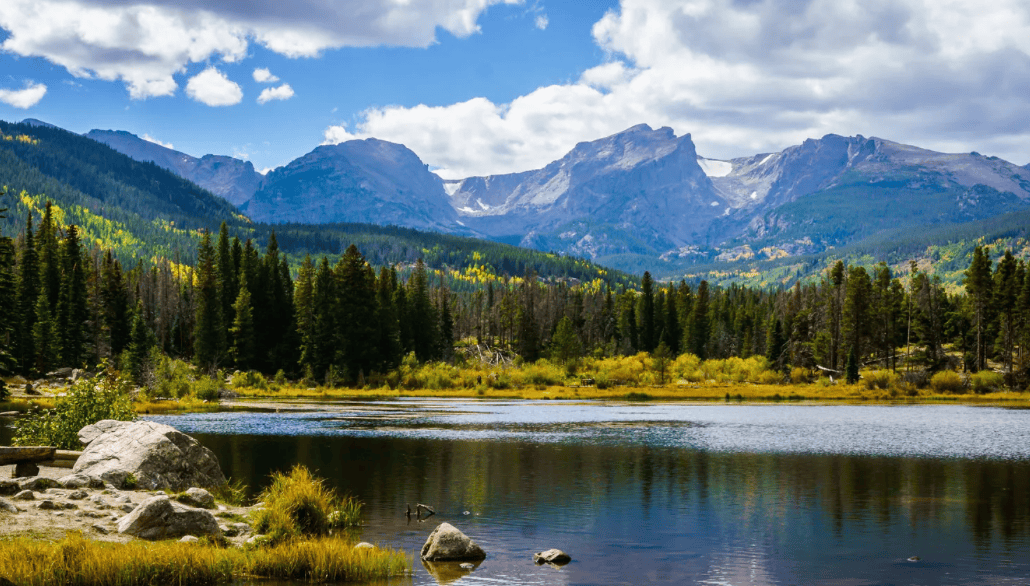 Sundance Film Festival announced its final dates: January 21 through 31, 2027, in Boulder, Colorado. It's the first time in over 40 years the festival won't open in Park City, Utah.
Boulder sits about 30 miles northwest of Denver. That means this isn't just a Boulder story. It's a Front Range story, and it touches everyone from downtown lofts to Park Hill bungalows.
Here's what's confirmed so far. The Sundance Institute picked Boulder after a bid backed by the City of Boulder, CU Boulder, Visit Boulder, and the Stanley Film Center. CU Boulder Chancellor Justin Schwartz called it "the ideal location" for the festival's next chapter. Ticket sales haven't opened yet, and organizers are still working out logistics, but the dates are locked in.
To understand what this could mean for the Denver metro area, look at what Sundance did for Utah. In 2024, the festival generated more than $132 million in economic activity, supported 1,730 jobs, and drew over 24,000 visitors from out of state. Those numbers came from a festival that had decades to build its infrastructure in Park City. Boulder is starting from scratch, which means overflow. Hotels, restaurants, and rental properties across the wider Front Range — including Denver — will likely pick up the slack that Boulder alone can't handle during those eleven days.
For homeowners, that overflow shows up in a few practical ways. If you own a rental property or have ever thought about short-term renting a spare room or a whole unit, late January 2027 could be a strong window. Festival-goers tend to book well in advance, and they're not price-sensitive the way a typical weekend traveler is. Denver's connection to Boulder via the US 36 corridor also means a Denver address isn't a hard sell for someone who just wants a home base near the action.
There's a slower-moving effect too. Film festivals like Sundance draw industry people, buyers, and creatives who fall in love with a region and come back. Park City saw real estate interest climb over the decades it hosted Sundance, and some of that spillover reached Salt Lake City as well. It's reasonable to expect a similar pattern here: out-of-state visitors experiencing Boulder and the Denver metro for the first time, then thinking about what it would take to live here. That's not an overnight shift in home values, but it's a trend worth watching if you're planning to sell in the next few years.
There's also a practical caveat. January 2027 is 5 months away, and festival logistics can change as planning continues. Ticket prices, venue locations, and shuttle routes between Boulder and Denver haven't been finalized. If you're considering a short-term rental strategy around the festival, it's worth checking back closer to the date rather than locking in plans now.
Still, the headline stays the same: Sundance Film Festival is coming to Colorado, and Denver is close enough to feel it. Whether that means a busy week for your guest suite, a few more out-of-town buyers touring homes, or just a fun story to bring up at your next block party, it's one more reason the Front Range is staying on people's radar.
If any of this has you thinking about what your home could be worth as a short-term rental, or what your property might look like to an out-of-state buyer, I'm happy to pull the numbers.
 The boxes were barely inside the door when the headache started. It wasn't the movers, or the stress of a cross-country drive. It was the mile of elevation the family had just gained without noticing.
That's the first thing most people relocating to Denver don't expect, and it's worth planning for before the moving truck even shows up.
Altitude hits before anything else does. Denver sits at 5,280 feet, and most healthy adults start adjusting within 24 to 72 hours, with full adaptation taking one to three weeks. Your body loses water faster up here — new residents typically need 30 to 50 percent more water than they did at sea level. Drink more than feels necessary those first few days, go easy on caffeine and alcohol, and skip the ambitious hike until week two.
Cost of living is the next surprise, and it's more nuanced than the headlines suggest. Denver runs about 10 to 12 percent above the national average overall, but that number is almost entirely driven by housing. Median home prices sit around $560,000, well above the national median. Rent for a one-bedroom in a desirable neighborhood runs $1,700 to $1,800 a month, with two-bedrooms closer to $2,300. Everything else — groceries, utilities, transportation — tends to land at or below what people moving from coastal cities are used to. Utilities specifically run 11 to 13 percent below the national average, and the property tax rate hovers around 0.6 to 0.7 percent, which is lower than a lot of the Midwest and Texas on a similarly priced home. As a rough benchmark, a single renter usually needs and annual income of $75,000 to $90,000 to live comfortably here, while a family of four buying a home and covering childcare is closer to $135,000 to $150,000.
The move itself has a price tag too. A full-service, long-distance move from the East Coast for a three-bedroom household typically runs $5,000 to $9,000. Coming from a neighboring state costs less, usually $2,000 to $4,000. Get quotes early. Summer, when most families move to line up with the school year, is also the most expensive and most booked-up season for movers.
Then there's the paperwork, which nobody mentions until it's overdue. Colorado requires new residents to transfer their driver's license within 30 days of establishing residency. Vehicle registration has a longer window, 90 days, but miss it and the late fees stack up at $25 a month. Put both on the calendar the week you arrive, not the week you remember.
One more adjustment: the car. If you're coming from a city where you gave up driving, budget for getting a car back. Outside of downtown and the Tech Center corridor, most of the metro area, including Park Hill, Congress Park, and Mayfair, is built around having one.
None of this is a reason to hesitate. It's just the practical layer underneath the exciting part — picking a neighborhood, choosing a school, figuring out where your Sunday mornings will happen. Getting the logistics right early just means you get to enjoy the rest of it sooner.
If you're relocating to Denver and want a rundown of neighborhoods that might fit your family, budget, or commute, let me know. I'm happy to put that together!
 The lockbox code worked fine. It was the piece of paper waiting on the kitchen counter that caught the buyer off guard — a one-page agreement, ready to sign, before she'd even walked past the entryway.
That moment is playing out at showings all over Denver now. If you're touring homes for the first time in a while, expect your agent to bring a buyer agency agreement to that very first appointment, not the closing table.
Here's what changed. A national settlement involving the National Association of Realtors — often called the NAR settlement — took effect in August 2024. It requires agents who work with buyers through the MLS to have a written agreement in place before touring a home. That agreement has to spell out what the agent will do for you and how much they're paid.
In practice, most agents have this signed prior to the first showing or else bring some version of this paperwork to the first showing, even if it only covers that one house for that one day. It's a way of being upfront: here's what I do, here's how I get paid, here's what you're agreeing to. Open houses are still the exception. If you wander into one on over the weekend, no agreement is needed for that.
The terms are worth reading closely, and they vary more than people expect. Some agreements cover a single showing. This is a nice way to kick this off if the buyer and agent don't know each other just yet. Other agreements run for weeks or months and are more common once both parties determine they'd like to work together. None of these versions is automatically better than another — it depends on how ready you are to commit to working with that particular agent.
For sellers, this same settlement changed things too. Commission is no longer something buyers assume gets baked quietly into the price. It's a separate, negotiated line item now, which means sellers and their agents are having more direct conversations about what they're offering to cover.
If you're buying in Denver this fall, don't be surprised by the paper on the counter. Read it before you sign. Ask how long the buyer agency agreement lasts, whether it covers one house or every house you tour together, and who's paying the commission — you, the seller, or some combination worked out in the contract. It isn't a trap. It's a conversation that used to happen quietly after the fact, now happening out loud before you've seen the closets.
If you're getting ready to start touring and want someone to walk you through what you're signing before you sign it, that's exactly what I'm here for!
 The calendar taped to the fridge in a lot of Denver kitchens looks different this year. The first day of school moved from mid-August to Tuesday, August 25 — and it's staying there through the 2027-28 school year, too.
For families weighing when to buy, sell, or just plan around the school year, this Denver Public Schools calendar change is worth knowing about now, before the first-day photos get taken.
The DPS board approved the later start as part of a two-year calendar, covering both 2026-27 and 2027-28. K-12 students head back August 25. Early Childhood Education starts a few days later, on August 28. The school year wraps up June 4, 2027. If you've got a kid starting kindergarten this fall, or you're timing a move around the school calendar, that extra week of summer is real — and so is the later date for buying supplies, locking in camp coverage, or scheduling that last vacation.
But the bigger shift landed in June, when the DPS board voted unanimously to ban personal devices in classrooms, bell to bell. Cellphones, smartwatches, wireless earbuds, and any personal tablet or laptop now have to be off and out of sight for the entire school day — not just during class, but in the hallways and at lunch too. There are exceptions for kids who need a device for a health condition or as part of a special education plan. Colorado passed a law in 2025 requiring every district to have some kind of device policy in place by July 1, 2026. DPS didn't stop at the minimum — they went with a full ban rather than a lighter set of rules.
If you're a parent, both changes touch daily logistics: pickup routines, how your kid checks in with you during the day, and what "normal" looks like on day one. If you're someone touring homes zoned for DPS schools this fall, it's worth asking how a specific address lines up with these changes — some families care as much about a school's calendar and culture as they do about square footage. The Denver Public Schools calendar and the new phone policy are both good conversation starters with other parents in the neighborhood, and good context if you're new to the area and still learning how DPS runs its year.
None of this changes what makes a house work for your family — the yard, the commute, the light in the kitchen. But it's part of the full picture, especially if you're relocating from a district with a different calendar or a more relaxed phone policy. Understanding how DPS runs its school year is part of understanding the neighborhood you're moving into.
If any of this has you thinking about your home, your school zone, or what a move might look like this year, I'm happy to pull the numbers. You know how to reach me!
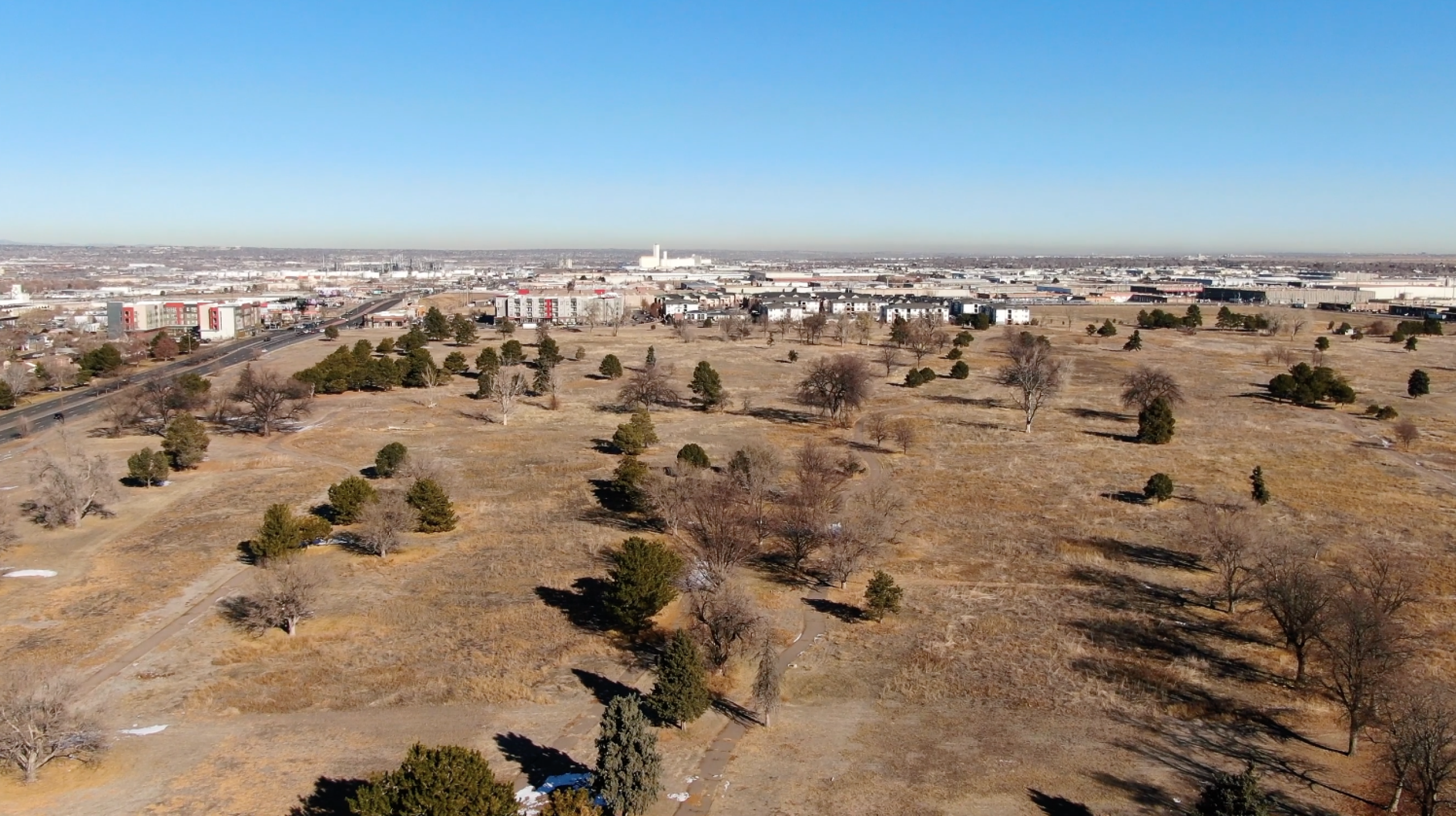 A retired Denver firefighter's backyard fence is the only thing standing between his yard and Park Hill Park, the old golf course the city bought last year. This summer, he's been watching knee-high, dead weeds spread across acres of it, right up to the fence line, and wondering why the city isn't watering the land the way it waters City Park.
He's not the only one worried. Anyone whose home borders that dry, overgrown land is looking at the same thing: a fire risk sitting right next door.
Here's the backdrop. The city bought the 155-acre former golf course in a land swap and has big plans to turn it into a regional park, with trails, playgrounds, and sports fields. But that plan is still years away. Right now, the property's irrigation system barely works, and mowing has been spotty at best. Weeds have grown tall and dry, right up to the fence line, with homes just on the other side. The public can still walk in through one gate from sunrise to sunset, but the paths are crumbling leftovers from the golf course days.
This isn't just a made-up worry, either. A fire already burned five acres of the site back in September 2024. The Denver Fire Department is ready and able to respond, but neighbors still see real risk in leaving that much dry, uncontrolled vegetation sitting so close to their homes.
Denver's parks department confirms the problem. Most of the site's irrigation system has been damaged for years by vandalism and neglect, long before the city even took over the land. Right now, crews are only watering a handful of trees on the property. In response to growing complaints from nearby residents, the city says it will start mowing the site more thoroughly through the end of summer, though it hasn't given an exact date.
It's worth noting that overgrown weeds actually burn faster and hotter than native prairie grass would. So beyond just looking rough, this specific kind of vegetation adds real risk. The longer-term fix means fully working irrigation and regular upkeep, but that's tied to $74 million in bond money voters approved last year. Most of that money is set aside for the park's future design and construction, not for fixing what's growing right now. Some neighbors guess a finished park is still years off, maybe as late as 2030. The city hasn't even hired a design firm yet, so real construction is still a long way out.
If you own a home near Park Hill Park, or really anywhere in Denver next to open space, this is a good reminder that wildfire risk isn't just a mountain-town problem anymore. Dry, hot summers are turning overgrown city lots into something homeowners need to think about too, especially when it comes to insurance rates and how close your property line sits to unmanaged land. It's the kind of detail worth asking about before you buy near any open space in Denver, not just Park Hill.
If you're near this stretch of Park Hill and wondering what it might mean for your homeowners insurance or your home's value, I'm happy to talk it through.


















Socials