
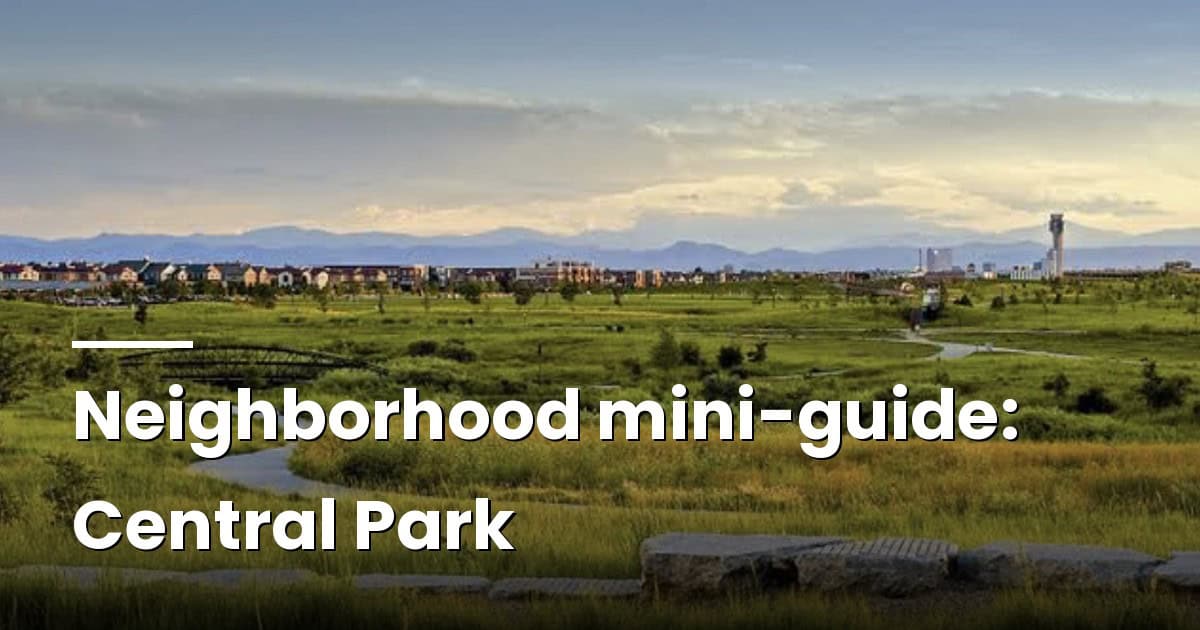
 If you want new-build houses, a serious trail network, and a 15-minute train ride downtown, Central Park is worth putting on your list. It's Denver's largest neighborhood, and it's built almost entirely from scratch on one of the more interesting pieces of land in the city.
The short history
Central Park sits on the former Stapleton International Airport, which closed in 1995 after Denver International Airport opened. The redevelopment kicked off in 2001 under a master plan built around pedestrian-friendly streets rather than car-first sprawl, and it's grown into roughly 4,700 acres, 12,000-plus homes, and around 30,000 residents. In 2020, the neighborhood formally changed its name from Stapleton to Central Park, following a citywide vote. 63% chose the new name over the runner-up, "Skyview", after years of community pushback against naming the area for a former Denver mayor with a documented racist history. It's a rare case of a neighborhood's name actually reflecting a decision its residents made together.
The lay of the land
Central Park isn't one neighborhood so much as twelve, each with its own character: Beeler Park, Bluff Lake, Central Park North, Central Park West, Conservatory Green, East 29th Avenue, Eastbridge, North End, South End, Westerly Creek, Wicker Park, and Willow Park East. Between them you'll find more than 50 parks, 7 pools, and a 38-mile trail network — plus 1,100 total acres of parks and open space, anchored by the 80-acre Central Park itself. On the edges, the neighborhood backs up to the Sand Creek Regional Greenway and Bluff Lake Nature Center, one of the largest urban wildlife refuges in the country, where you can genuinely go birdwatching without leaving city limits.
The sub-neighborhoods aren't interchangeable, either. Eastbridge mixes modest homes with much larger ones and still manages mountain views from its pocket parks. Central Park West's architecture was designed to face the park itself. North End, which borders the Rocky Mountain Arsenal National Wildlife Refuge, is known for its colorful houses and the neighborhood's largest pool. If you're set on Central Park but haven't landed on a sub-neighborhood yet, that's usually where the real decision-making happens.
Getting around
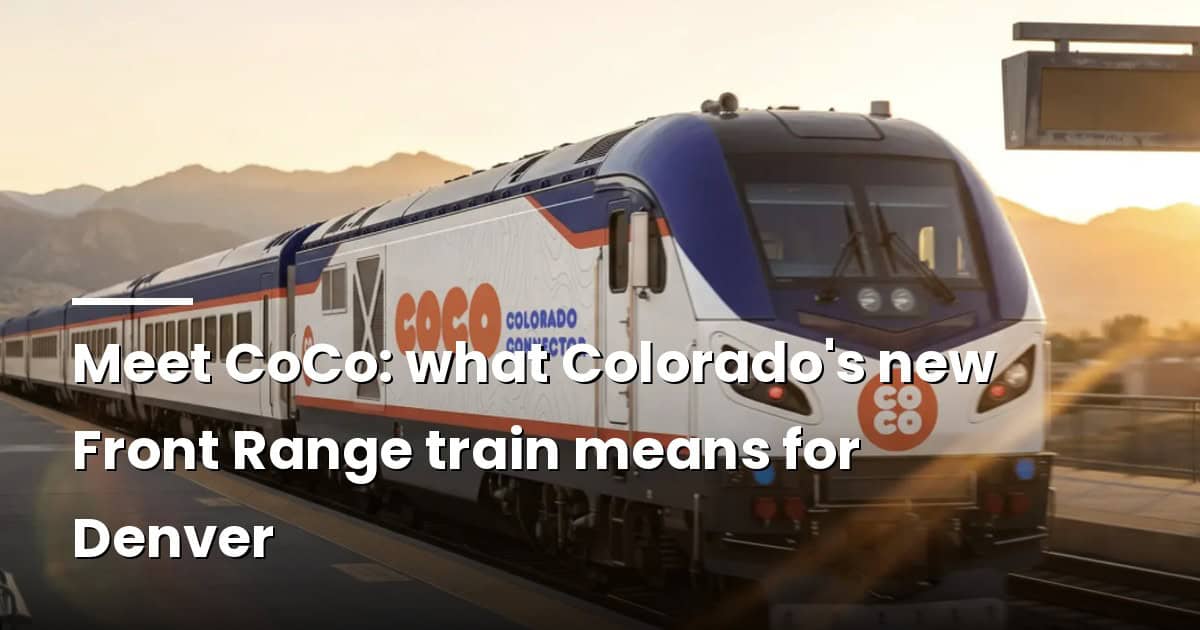
The RTD A Line has run through the neighborhood since 2016, with Central Park Station putting you about 15 minutes from Union Station without ever touching your car. Combined with the walkable street grid the original master plan was built around, it's about as transit-friendly as new construction gets in Denver.
Where to eat, shop, and hang out
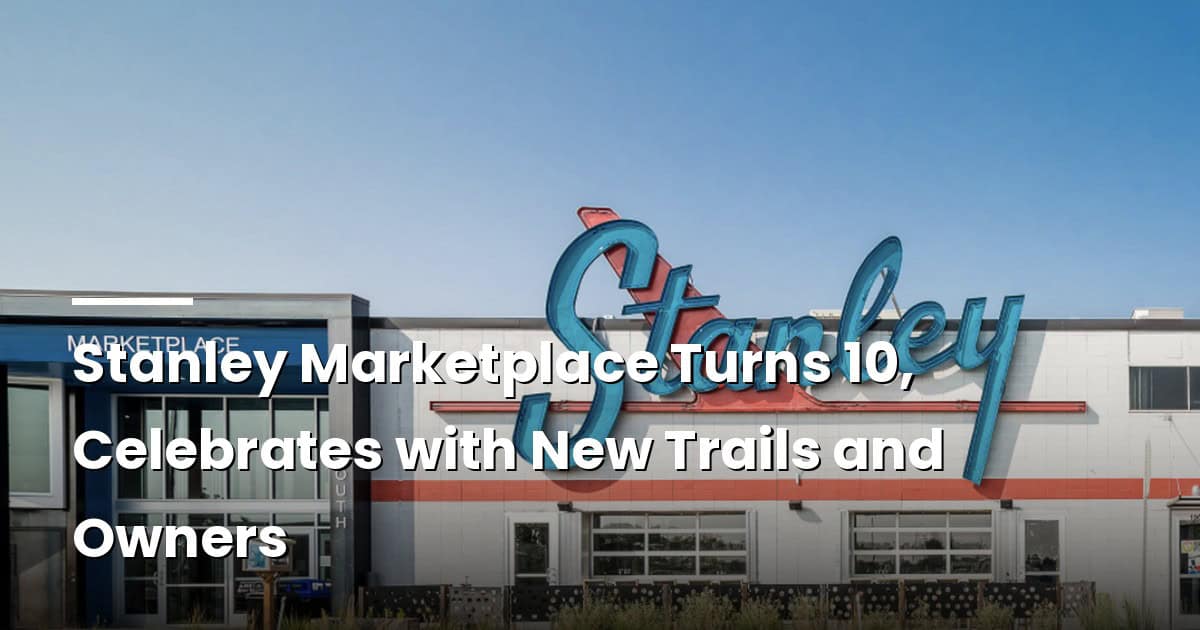
Stanley Marketplace, tucked into the Bluff Lake area, is the anchor most people know Central Park for — a converted midcentury aviation building now packed with local food vendors and shops. Conservatory Green has its own retail cluster, The Shops at Conservatory, including a Torchy's Tacos for anyone who needs a breakfast taco fix. East 29th Avenue Town Center hosts Founders Green, which runs a farmers market, concerts, and movie nights through the warmer months, along with an annual beer festival. If you're the type who wants a dog park, a community garden, a skate park, and a climbing wall within walking distance, South End's Greenwood Park covers all four.
The market right now
Central Park is a genuinely competitive corner of Denver even in a market that's cooled off elsewhere. As of June, the median sale price sits at $790,975, homes are going under contract in about 10 days on average, and roughly a quarter of homes are selling above list price. The average listing gets close to two offers. It's not the frenzy of a few years ago, but it's meaningfully tighter than the metro-wide numbers right now — this is one of the neighborhoods where buyers still need to move fast and come prepared.
My take
Central Park makes the most sense for buyers who want newer construction, don't mind paying a premium for walkability and trail access, and like the idea of a neighborhood built around parks rather than around a highway. It's a great fit for families. The pool and rec center access alone is hard to match elsewhere in Denver. If you're weighing Central Park against a more established neighborhood, the tradeoff is usually price and character versus newness and infrastructure. Tell me what matters more to you and I can help you figure out which of the twelve sub-neighborhoods actually fits your lifestyle best.












Socials