
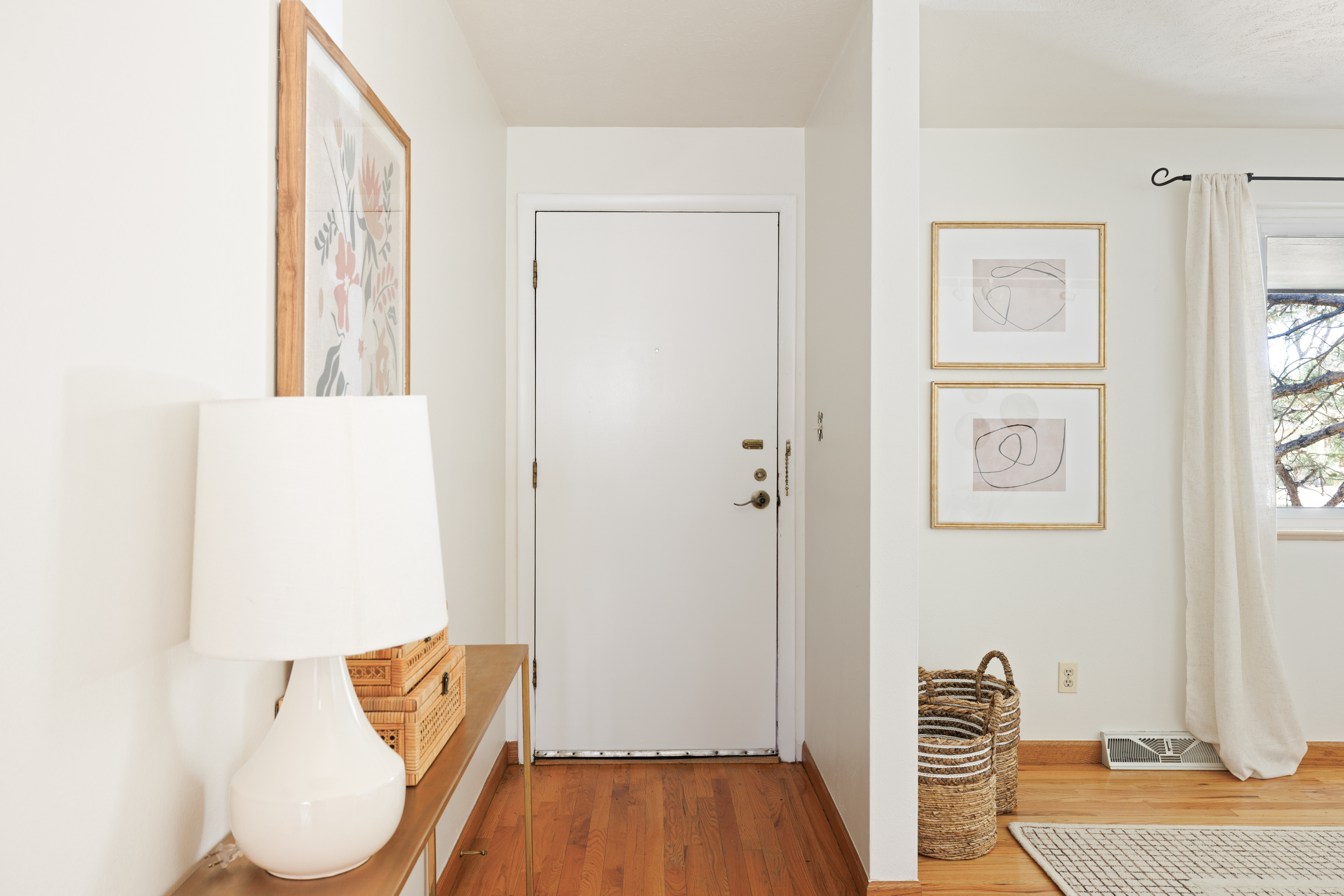
 A buyer I worked with last year had $18,000 saved and figured that ruled her out of the market entirely. She'd done the math on a $600,000 house, seen the $120,000 number for 20% down, and quietly stopped looking. Three months later, she closed on a house with 3% down.
That 20% number gets repeated so often that most people never question it. But it's not a rule. It's one option among several, and for a lot of buyers, it's not even the best one.
Conventional loans allow down payments as low as 3% for qualified first-time buyers. FHA loans, backed by the federal government, go down to 3.5%. VA loans, for eligible veterans and active-duty service members, and USDA loans, for certain rural and suburban areas, can go all the way to 0% down. The 20% figure only matters if you want to skip private mortgage insurance, which is a real cost, but it's a monthly fee, not a locked door. Plenty of buyers put down less, pay the insurance for a few years, and refinance it away once they've built equity.
Colorado also has real money on the table to help close the gap. CHFA, the state's housing finance authority, offers a down payment grant of up to $25,000 or 3% of your loan, whichever is less, and it doesn't have to be paid back. If you'd rather borrow the assistance, CHFA's second mortgage option goes up to $25,000 or 4%, with repayment deferred until you sell or refinance. If you're buying in Denver, Adams, Arapahoe, Douglas, or Jefferson County, the NeighborhoodLIFT program can add another $15,000 on top. Denver's own Department of Housing Stability runs a program offering up to 5% of your loan amount as a forgivable loan, as long as you stay in the home for three years. None of these are exotic or hard to find once you know to ask — they're just not the first thing most people hear about.
There's a real, sensible reason 20% still gets recommended: a bigger down payment means a smaller loan, a lower monthly payment, and no mortgage insurance. If you have it and it doesn't wipe out your savings, it's worth considering. But needing it, and it being the only path in, are two different things. I've watched buyers delay for years trying to hit 20%, watching prices climb the whole time, when a 3% or 5% down loan would have gotten them into a house years earlier with the same monthly payment they're paying in rent today.
If you've been sitting on the sidelines because you assumed you needed six figures saved up, it might be worth a conversation before you assume anything else. I'm happy to walk through your options. Let's connect!





%20copy.jpeg)









Socials