
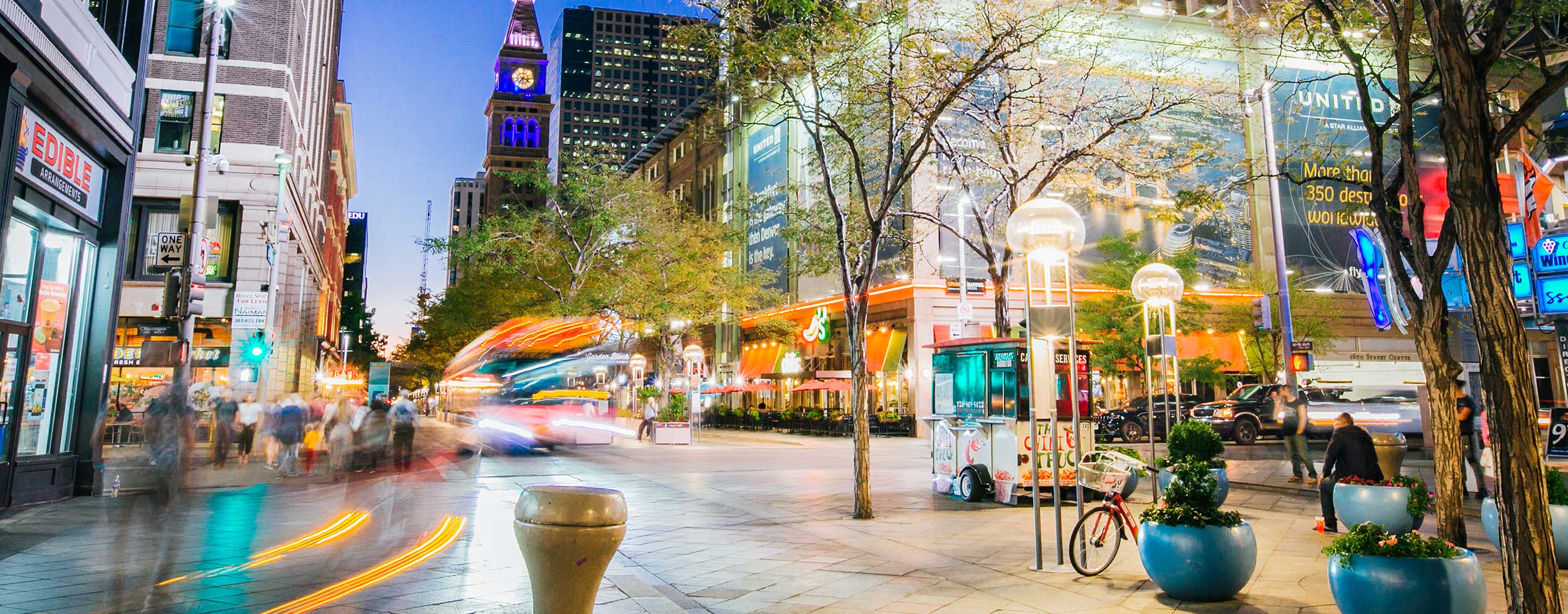
 Four office towers in downtown Denver sold this spring for about $4.80 per square foot. Not $480 per square foot. Not even $48 per square foot!
1.8 million square feet of office space, scooped up by a Los Angeles investor for less than the cost of a latte per square foot. If you own a home anywhere in Denver, a headline like that can make your stomach drop. So let's separate what's actually happening downtown from what it means for your house.
The downtown Denver office vacancy rate hit 38.9% in the first quarter of 2026 — an all-time high. But it's really a tale of two downtowns. In upper downtown, near the Capitol, some blocks are more than 46% empty. Down in LoDo, vacancy sits closer to 20%. The buildings hurting most are the older ones — nearly half of the lowest-tier office space now sits dark.
Here's the part that matters for homeowners: offices and homes are two different markets. Offices emptied out because people stopped commuting to a desk. Nobody stopped needing a kitchen and a bedroom. While those towers were selling at fire-sale prices, the median Denver home price rose to $616,000 in June — up from a year earlier — and sellers are still getting about 99% of their asking price. Empty cubicles don't set the value of your house.
Now the interesting part. There are plans to turn those cheap towers into housing. The Denver Energy Center on Broadway is slated to become 386 apartments. High Fidelity Plaza is planned as another 700. And the city is putting real money behind it — the Downtown Denver Development Authority committed $63 million to one conversion this spring.
Studios in the converted buildings are expected to start around $1,700 a month, with a batch of units set aside as affordable housing. In a metro that's short more than 55,000 affordable units, empty towers becoming homes is a rare win-win.
But why should you care if you live in Park Hill or Congress Park? Because more people living downtown means fuller sidewalks, busier restaurants, and safer streets after dark. That energy tends to spill outward into nearby neighborhoods over time — and it supports the small businesses that make this city worth living in.
It won't happen overnight. Most conversion projects won't finish until at least 2027. But the direction matters more than the speed. The takeaway: downtown's office pain is real, but it's not your pain. If anything, the fix — turning dead office space into places people live — could make Denver's core stronger than it was before the pandemic.



%20copy.jpeg)









Socials