
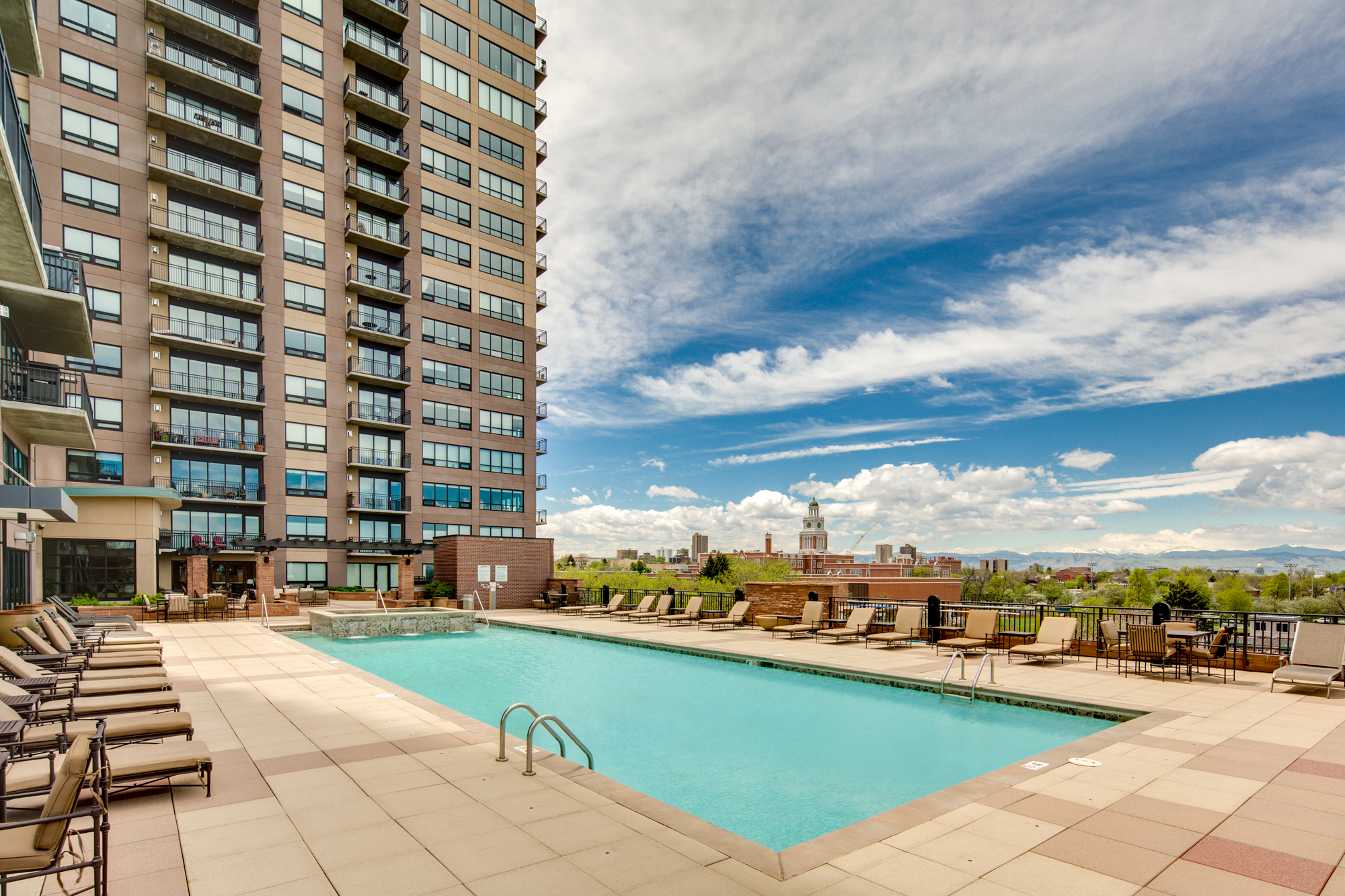
 The listing price looked right. The unit was updated and well-located. Then the buyer scrolled to the bottom of the page and saw the HOA fee: $585 a month.
That number doesn't disappear after closing. It gets added to your monthly budget, factored into your debt-to-income ratio, and paid every single month.
HOA fees in the Denver metro have climbed sharply over the last several years, and in 2026, they're one of the most underestimated costs buyers face. For condos and townhomes in particular, the increases have been significant. One local market report put the average increase at 37% since 2020. Some Denver condo owners have seen their monthly dues nearly double — from around $300 to over $600 — in just a few years.
Three things are driving this. First, insurance. Colorado has seen dramatic increases in premiums due to hailstorms, wildfire exposure, and rising construction costs. When a condo HOA insures the entire building, those costs get passed directly to owners through monthly dues and, sometimes, through special assessments when coverage gaps show up. Second, deferred maintenance. Many Denver condo buildings were constructed in the 60s and 70s. Roofs, plumbing stacks, elevators, and parking structures eventually need replacing — and when HOA reserve funds haven't kept up, owners get the bill. Third, inflation. Landscaping, snow removal, and general maintenance cost more across the board.
Here's the part buyers often miss: HOA fees count against you when a lender calculates how much you can borrow. A significant HOA fee can push your debt-to-income ratio past what most loan programs allow — which means you qualify for less house than you think.
Before you fall in love with a unit, learn about the HOA, specifically the Reserve Study — it tells you how funded the HOA is and how much life is left in the building's major systems. An HOA that's less than 70% funded on reserves might be a yellow flag. It means the association is behind on saving for future repairs, and a special assessment — a one-time charge to all owners — could be coming.
Not all HOAs are created equal, and not all attached housing in Denver comes with high fees. Many older neighborhoods — Congress Park, Park Hill, the Highlands, Washington Park — were built before master-planned HOA structures were common. Some older buildings in these areas carry lower fees because they're simpler operations. Others carry higher fees because they're older and the maintenance needs are real.
The math is worth doing before you write the offer. If any of this has you thinking about what's right for your situation, I'm happy to talk through the numbers. Let's connect!





%20copy.jpeg)










Socials